
KP Technology
Kelvin Probes
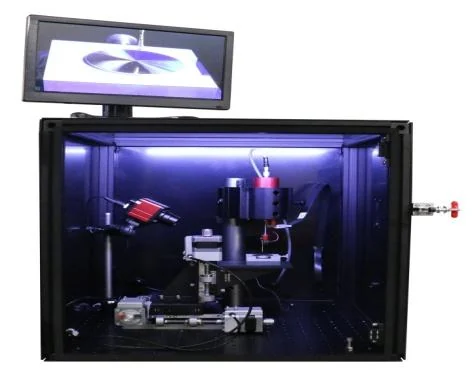
Kelvin probe systems are specially developed for use in various environments, including ambient conditions, controlled atmospheres, and relative humidity, as well as ultra-high vacuum conditions.
From material preparation to precision measurement. Explore our equipment and materials by application, principal or the challenge you are working on.
Kelvin probe systems are specially developed for use in various environments, including ambient conditions, controlled atmospheres, and relative humidity, as well as ultra-high vacuum conditions.
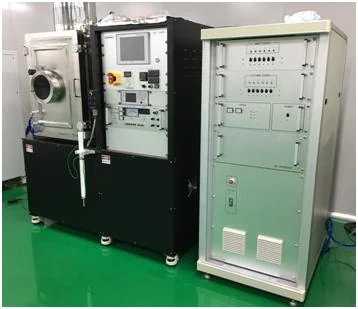
E-Beam Evaporation, which is a Thermal Evaporation process, and Sputtering are the two most common types of Physical Vapor Deposition or PVD. Of these two processes, The E-Beam Deposition technique has several clear advantages for many types of applications.
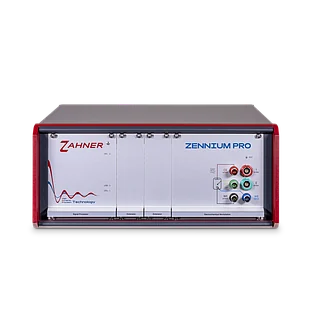
Potentiostats are designed to provided highest level of performance in electrochemical experiments.
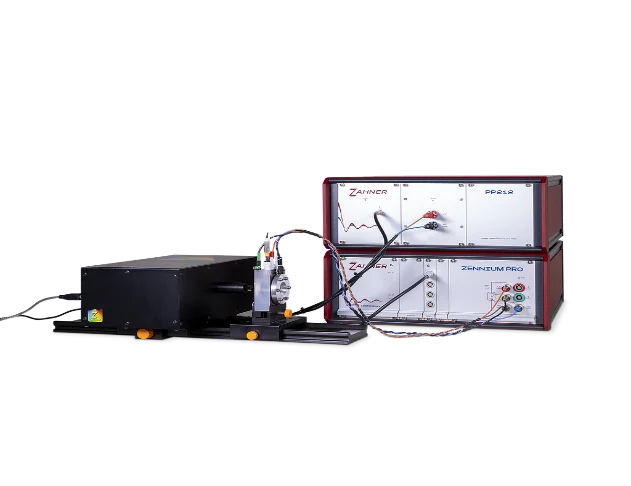
The CIMPS system is an advanced system for photoelectrochemical/photovoltaics measurements. An additional potentiostat actively controls the light source which allows dynamic measurements like IMPS, IMVS besides standard electrochemical and photoelectrochemical measurements.
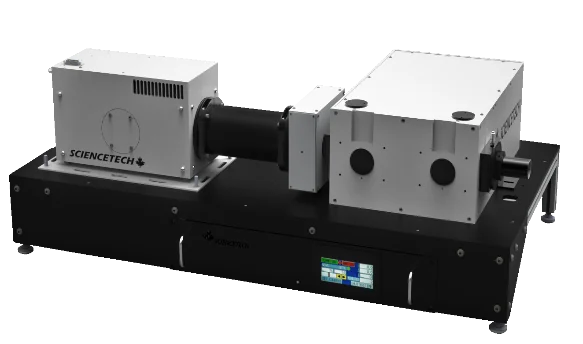
A tunable light source begins with a broadband light source and uses a monochromator to allow the user to freely select and output only the desired wavelengths of interest.
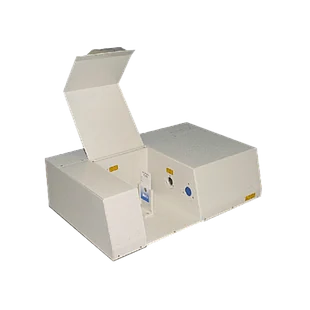
FTIR spectrometers are a robust method to characterize reflection, transmission, and absorption of light within the wavenumber range from 14000/cm to 400/cm.
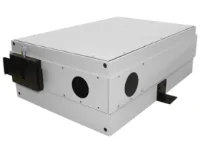
A monochromator separates incoming light into its component wavelengths, selecting only a very narrow bandwidth of interest to output.
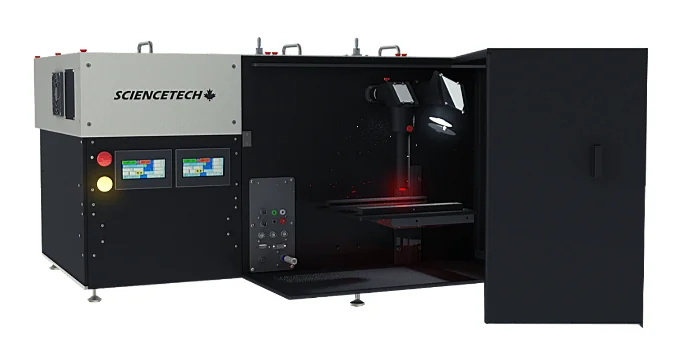
The quantum efficiency (QE) of a device is a measure of its ability to convert incoming photons into electrons or other charge carriers.
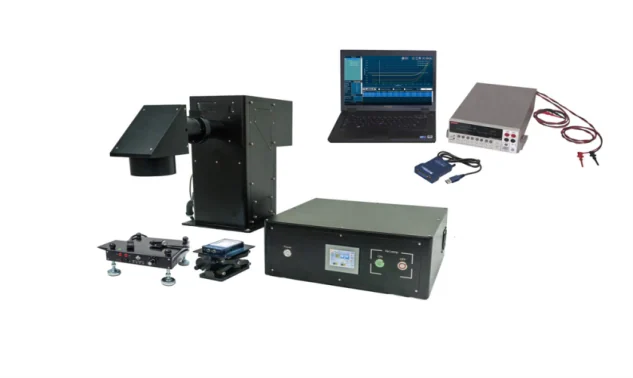
300 W Xe lamp with optical reflector Beam size: 50 mm × 50 mm Standard outboard sample stage with one IC clip Irradiance intensity: up to 1500 W/m2 @ AM1.5G Irradiance mode: horizontal or vertical
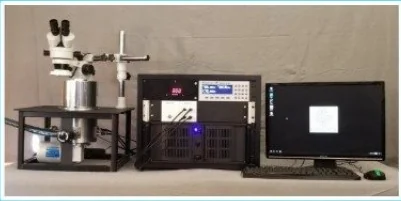
DLTS data acquisition and analysis software (DLTS, ODLTS, DDLTS) Hardware and software for current voltage temperature IVT, I-DLTS, PICTS data acquisition and analysis software Computer and monitor Closed cycle helium cryostat ( 25-650K) Temperature controller
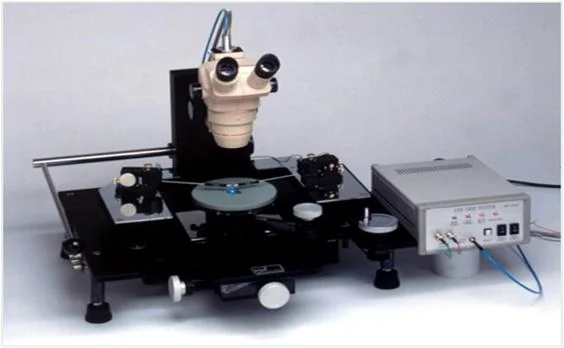
LED tester is good to measure both electrical(I-V curve) and optical(Spectra, Light intensity) properties of LED chip, LED lamp, SMD type at the same time. It also makes it possible to see LED sample’s construction , seeing through microscope.
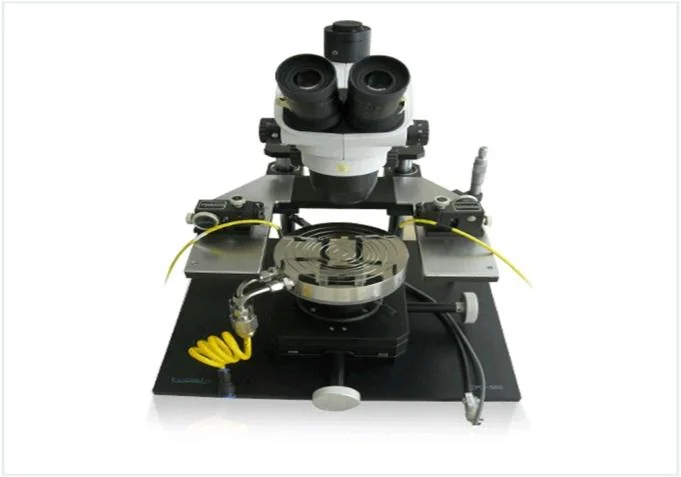
Probe station is mechanical instrument to make it possible to move probe arm and tip precisely, and have them contact on the semiconductor device and wafer successfully. Probe station is used to get electrical properties of semiconductor samples, i.e IV, IR of semiconductor wafer and device by integrating with measurement unit. It helps probe tip end probing in micro distance and contact on the sample surface by using microscope and manipulator ( positioner )
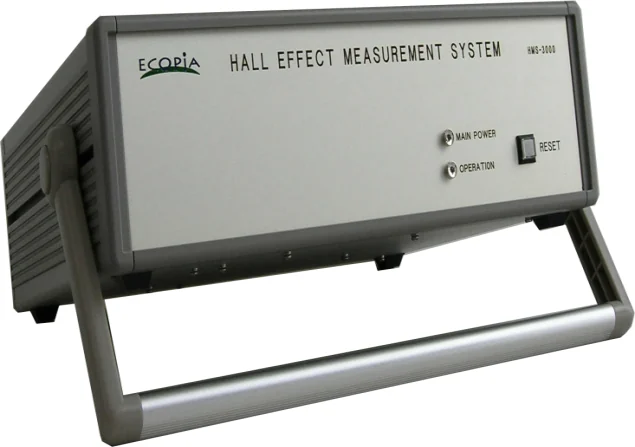
Hall Effect Measurement System is very useful for measuring Carrier Concentration, Mobility, Resistivity and Hall Coefficient that should be pre-checked in order to grasp the electrical specifications of semiconductor device. Therefore, it is essentially required system to understand the electrical characteristics of semiconductor device.
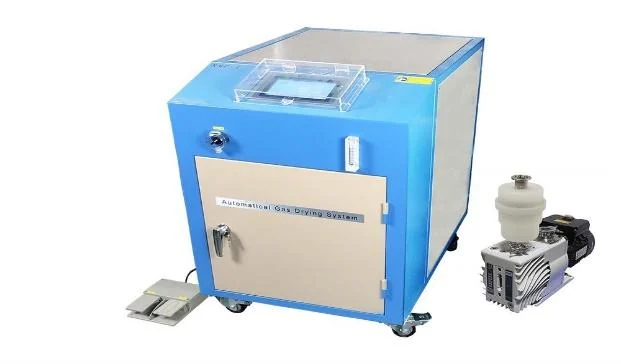
An automatic recirculating moisture and oxygen purification system, which can provide an environment with moisture and oxygen concentration lower than 1 ppm for the standard glove box.
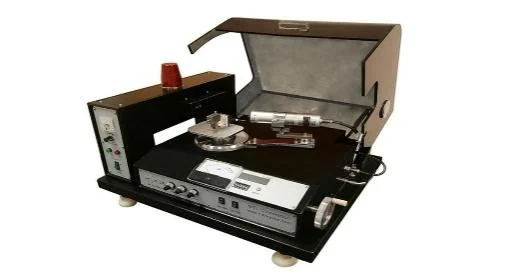
This desktop X-Ray machine provides the ideal solution for crystal research labs, substrate manufacturers, and wafer quality control facilities.
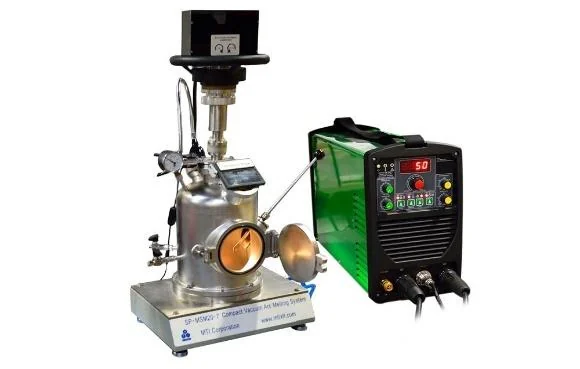
Melting and casting equipment for materials research. Contact our team to discuss the process and configuration for your application.
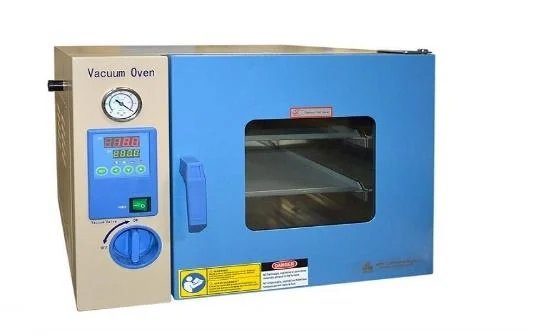
Vacuum ovens for controlled laboratory drying and heat treatment. Temperature and chamber size depend on the model.
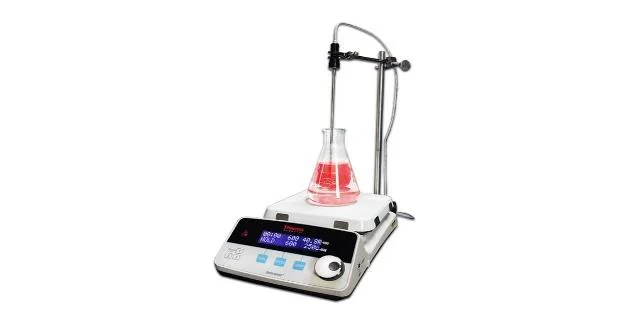
Laboratory heating and stirring plates for sample preparation. Contact our team for model-specific temperature and configuration details.
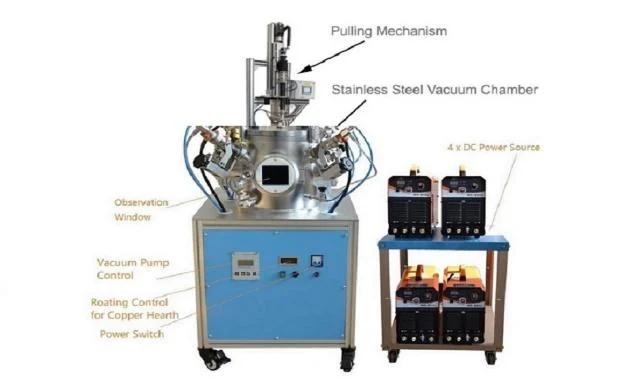
The crystal grower is designed for growing the single crystal of high-temperature metallic alloy up to 3000°C
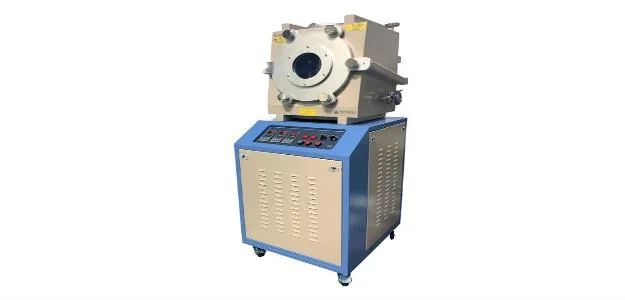
Vacuum hot lamination hot press designed for wafer bonding, thin-film transformations, and LCP lamination with a heating area 100 mm x 100 mm or 300 mm x 300 mm. It has the max. the working temperature of 500 ºC along with the max. the pressure of 20-40 Metric Tons.
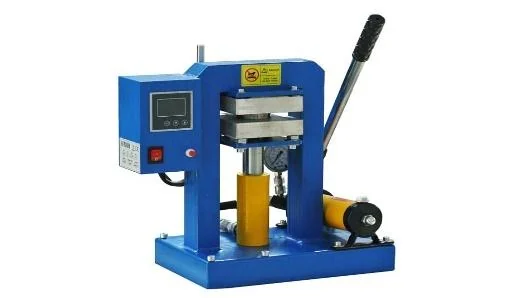
The temperatures of the heated platens are controlled by a digital temperature controller up to 200°C. The hot press is designed for preparing electrodes & electrolytes of solid and flexible lithium batteries.
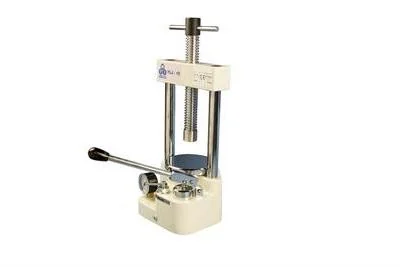
The lightweight and fully airtight design make it extremely well-suited for operation inside of a glove box where having an inert environment is crucial to prevent unwanted sample contamination.
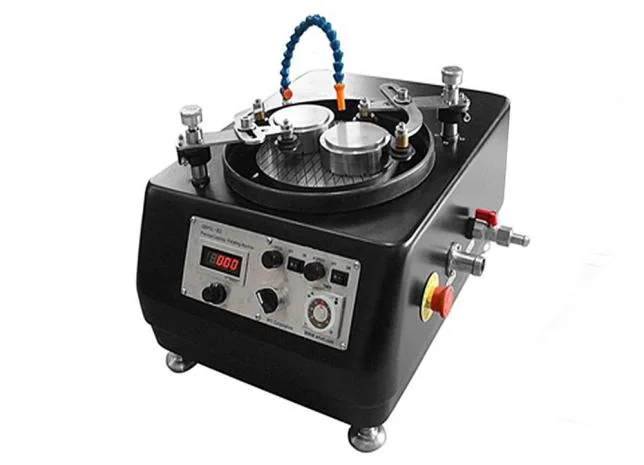
It can be used as a standard grinding and polishing machine for preparing metallographic samples as well.
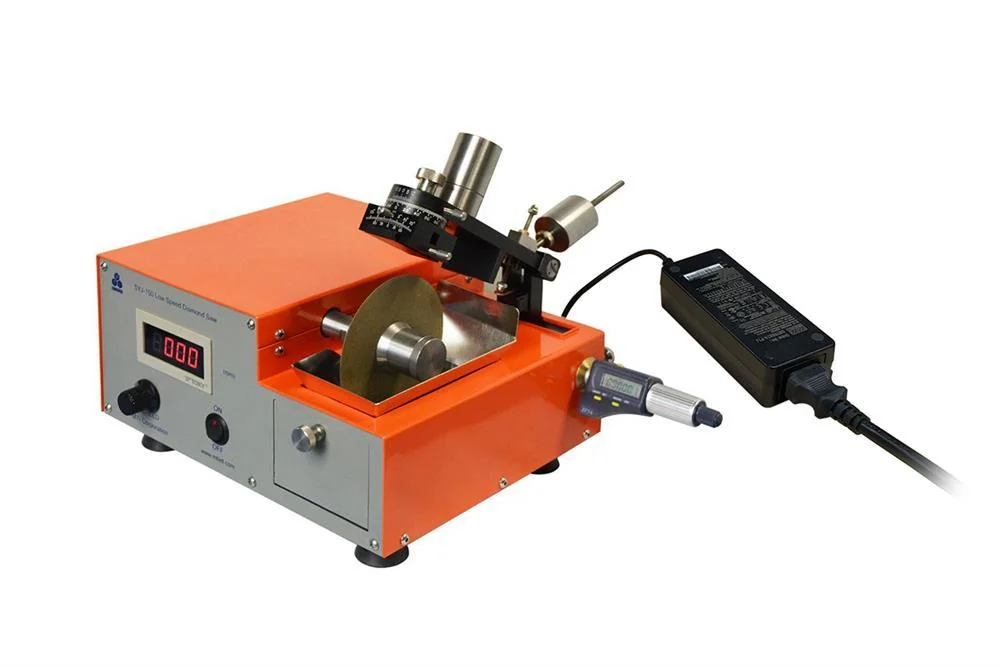
It is the perfect tool for cutting/dicing/slicing all kinds of materials up to 32.5 mm thickness, especially for brittle crystals, ceramics, TEM samples, and even plastic samples.
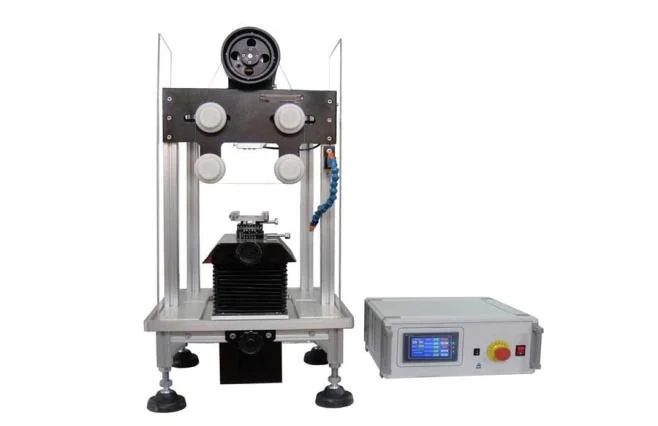
It is an ideal cutting tool for material research, TEM sample preparation, and IC failure analysis.
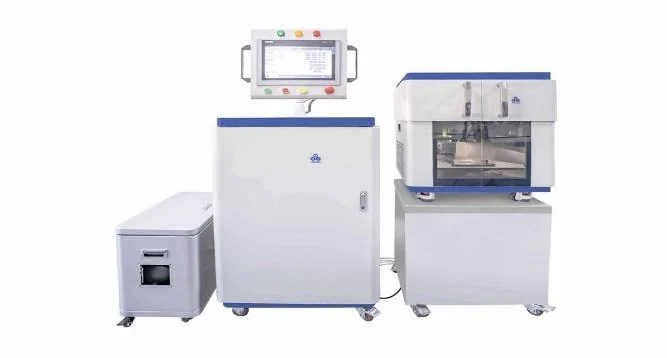
Equipment for printing and coating in battery and materials research. Contact our team to discuss the available configuration.
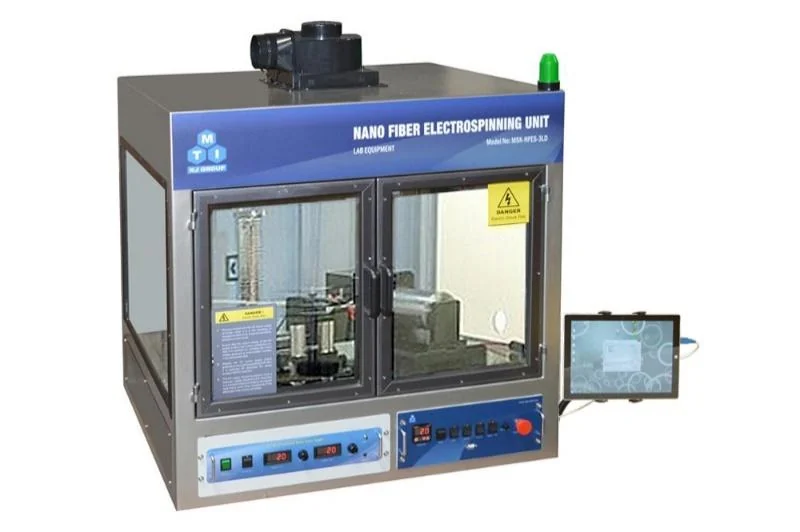
Electrospinning of Nanofibers from Polymer Solutions and Melts Transparent air filter for high-efficiency PM2.5capture Electrospun core-shell microfiber separator with thermal-triggered flame-retardant properties for lithium-ion batteries
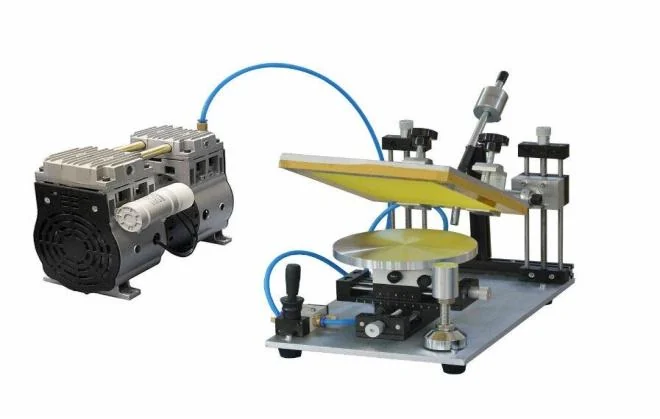
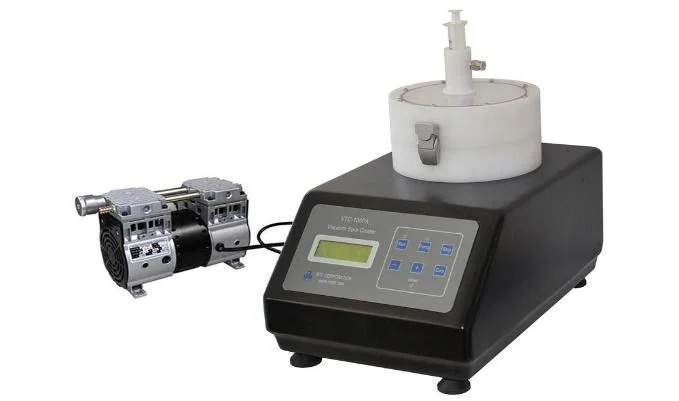
Compact spin coater with vacuum chucks designed for easy and quick coating via sol-gel for wafers up to 4″. The spinning speed is variable from 500-8000 rpm with two programmable segments
Thermal evaporation has a number of limitations including evaporation temperature, the composition of alloys and compounds and life of the source. Recently, thermal evaporation has found numerous applications for depositing organic materials such as OLED (Organic light emitting diodes).
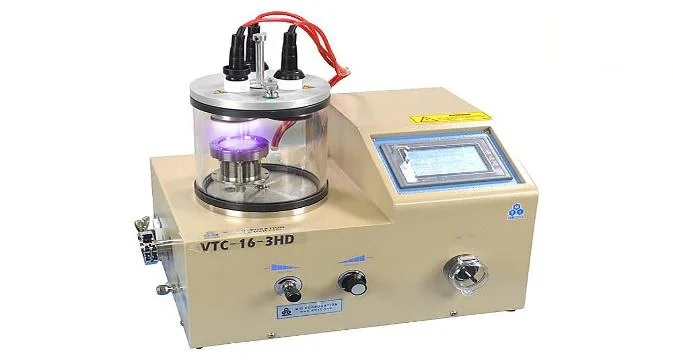
For the best film-substrate adhesion strength. Compact three rotary target plasma sputtering coater with a touch screen digital controller, and a substrate heater capable of heating up to 500 °C.
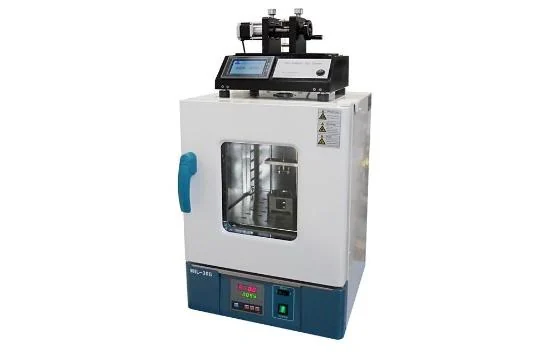
It is designed for R&D Lab to prepare various optical or epitaxial films from liquid solutions.
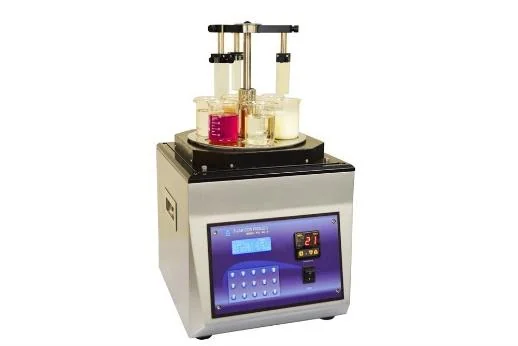
The technique involves multiple dipping of the substrate in a given solution and D.I. water, both temperatures can be varied from case to case.
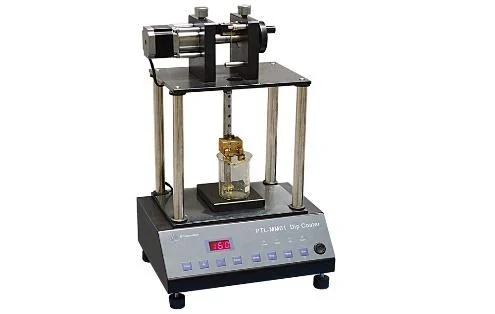
Desktop Dip Coater designed for R&D Lab to prepare various optical or epitaxial films from a liquid solution.
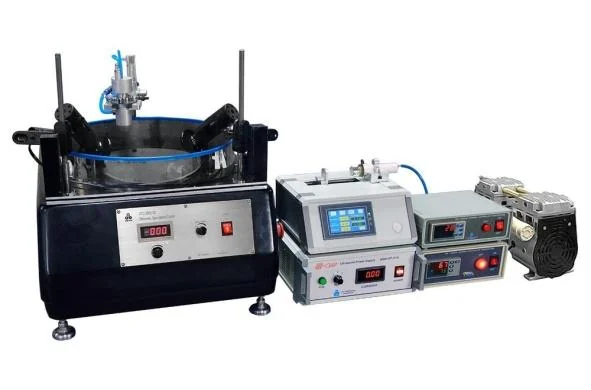
Cost-effective ultrasonic Spin-Spray Coater for liquid-phase, ultra-uniform coating process on a large substrate up to 12″
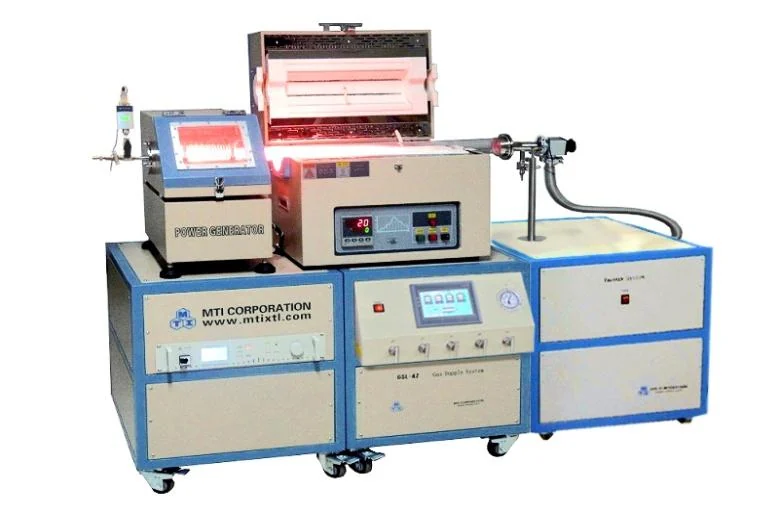
The PE-CVD furnace is an ideal and affordable tool to deposit thin films or grow nanowire from a gas state (vapor) to a solid-state
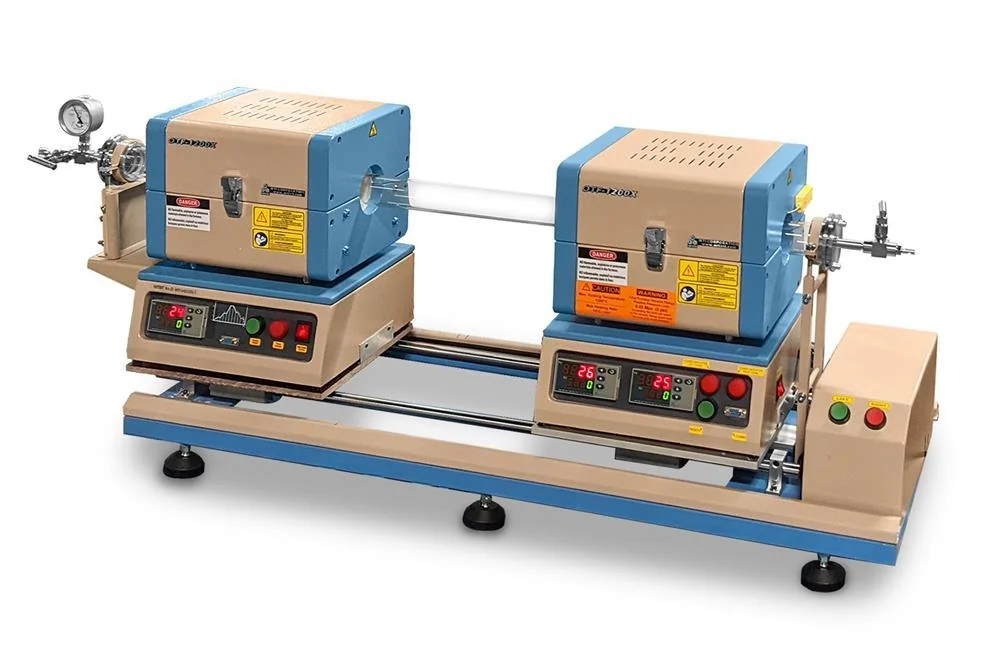
Rapid thermal processing furnaces for controlled heating in materials research. Contact us for model-specific temperature and process details.
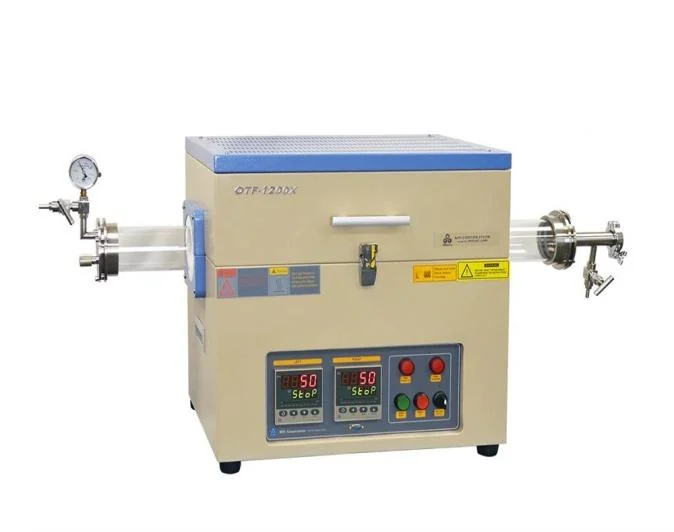
It is an excellent furnace for sample annealing, diffusion, and sintering in the various gas atmosphere up to 1200°C
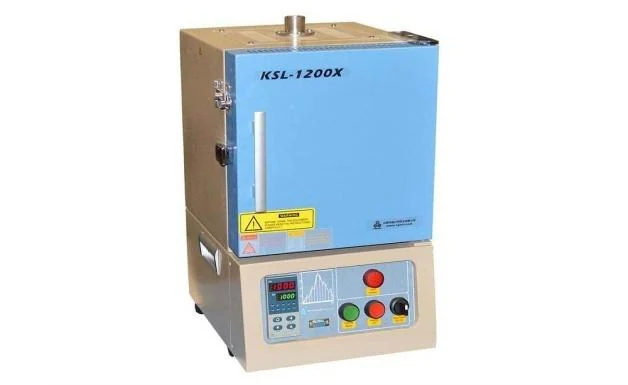
It is an ideal tool for materials annealing and sintering in your research laboratory.
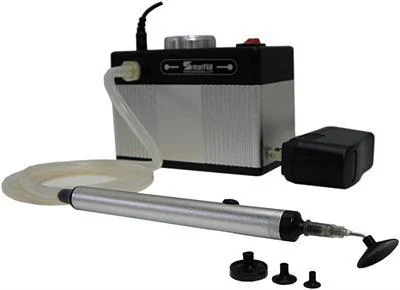
Vacuum pick-up pens for handling small components, chips and wafers. Contact us to discuss the appropriate model for your application.
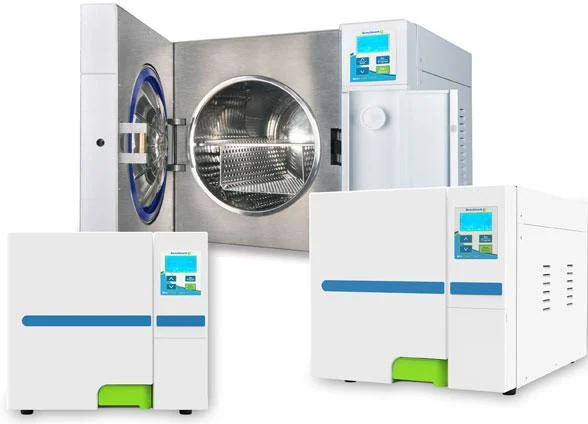
Designed specifically for the steam sterilization of laboratory research tools, the BioClave™ benchtop autoclaves offer space-saving exterior dimensions while maintaining large internal stainless steel chambers to accommodate a variety of liquids, media, instruments, glassware, plasticware, and other common research laboratory items.
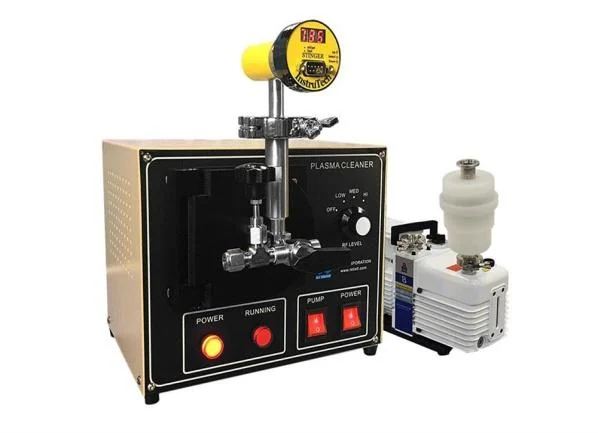
Plasma cleaning involves the removal of impurities and contaminants from surfaces through the use of an energetic plasma created from gaseous species. Gasses such as argon and oxygen, as well as mixtures such as air and hydrogen/nitrogen.
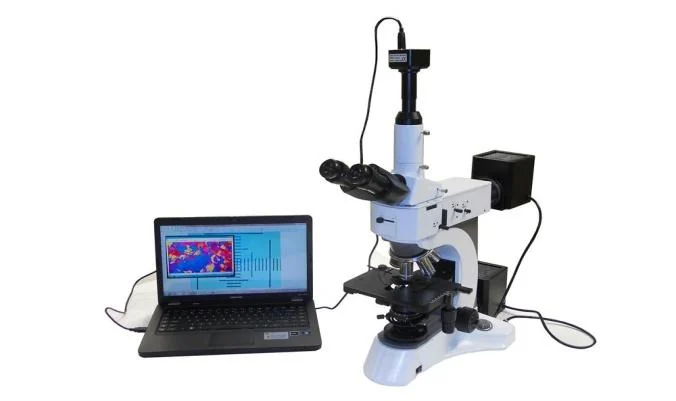
A metallurgical microscope, also known as a metallographic microscope, or simply as a metallograph, has the distinct capability of imaging a smooth metallic, ceramic, silicon wafer, or other flat polished surface. These epi-illumination instruments allow light to go through the microscope objective, and reflect off the metallic or opaque specimen, and back to the eyepieces.
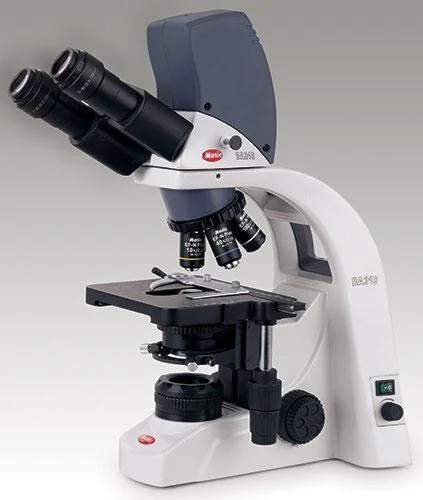
The Digital BA310 is a superior microscope meeting the rugged demands for daily work needs in a Professional laboratory setting. The Digital BA310’s 30W illumination provides the user with a powerful and adjustable light source to meet both delicate and detailed lighting requirements for all sample types.
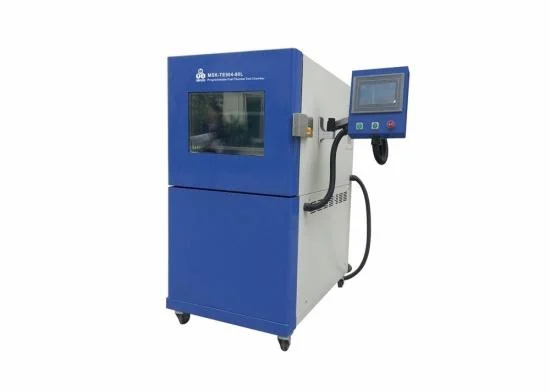
80-liter Programmable Thermal Test Chamber for the thermal test of Rechargeable Battery & Battery Pack according to UN38.3 (38.3.4.2) and other thermal tests from -75ºC to +150ºC at faster heating and cooling rate.
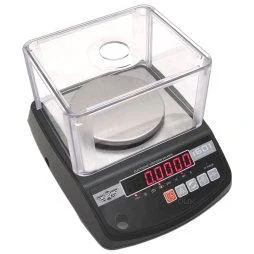
Excellent for weighting chemicals before mixing. Can be used for monitoring weight change of sample before and after sintering.
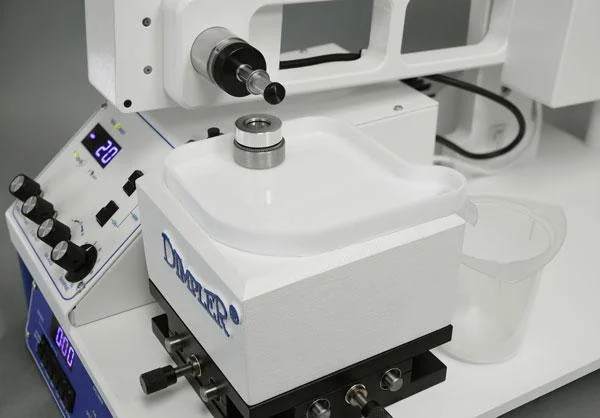
Dimpler™ from damage due to slurry overrun, the PELCO® Slurry Mat™ is made of chemical-resistant silicone rubber. It acts as a catch for small volumes and a drain for larger volumes of used slurry. Pair the Slurry Mat™ with a beaker or other vessel of your choice.
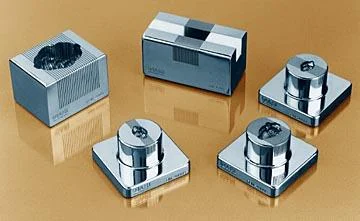
These high quality Brain Matrices are designed for freehand slicing of discrete regions of the brain. They allow slicing of either coronal or sagittal sections through the brain at intervals of 1mm and of 2mm for large brains.
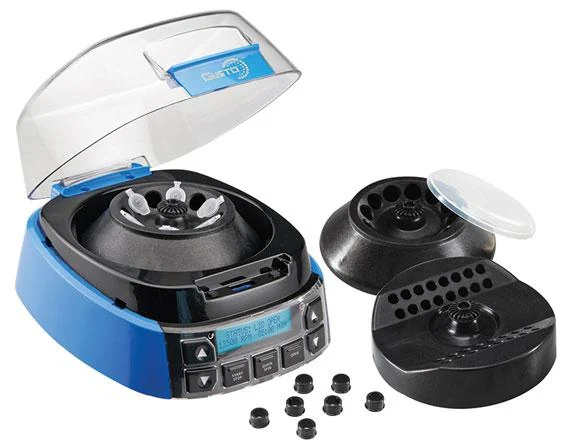
The Gusto is a compact, high speed centrifuge for mini centrifuge tubes. It is ideal for protocols calling for high spin speeds. It is ideal for PCR®, microfilter cell separation, clinical and diagnostic applications, and HPLC protocols.
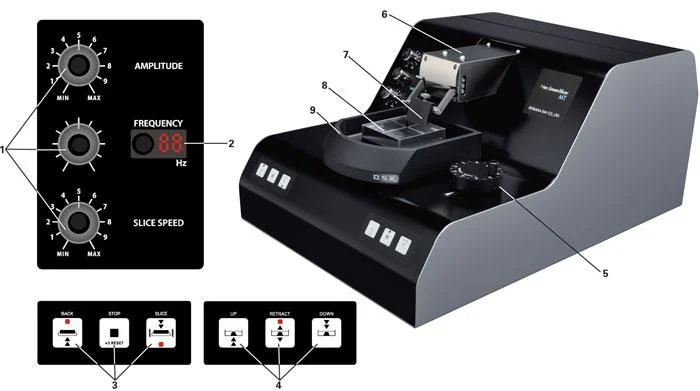
The DosakaNeoLinearSlicer® and MicroSlicer® facilitate cutting of sections of soft tissues like brain, liver or similar difficult-to-section material. These vibratory tissue slicers are well known for their quality and superior performance, enjoying an excellent reputation in the neuroscience research community.
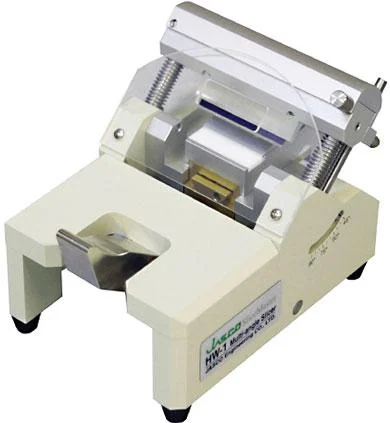
SliceMaster Micro Sample Preparation Tools are compact instruments that can easily cut thin sections from 10 to 200µm. These thinly sliced specimens may be viewed with a microscope. These instruments are simple to set-up for thin section preparation for specimens such as polypropylene bottles and multi-layer paper cartons.
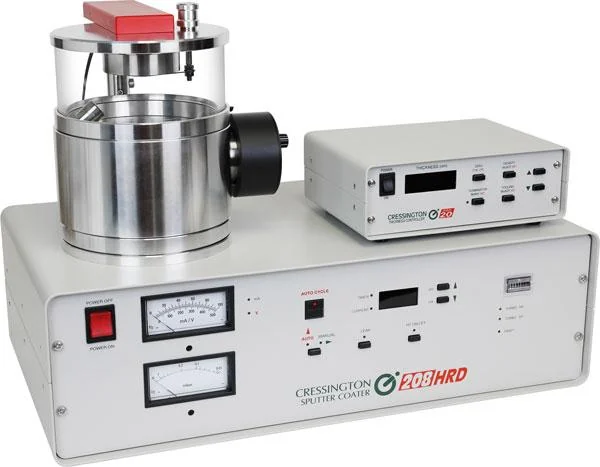
Sputter Coater from Cressington offers real solutions to the problems encountered when coating difficult samples for FESEM imaging. FESEM applications need extremely thin, fine-grained, uniform coatings to eliminate charging and to improve contrast on low density materials.
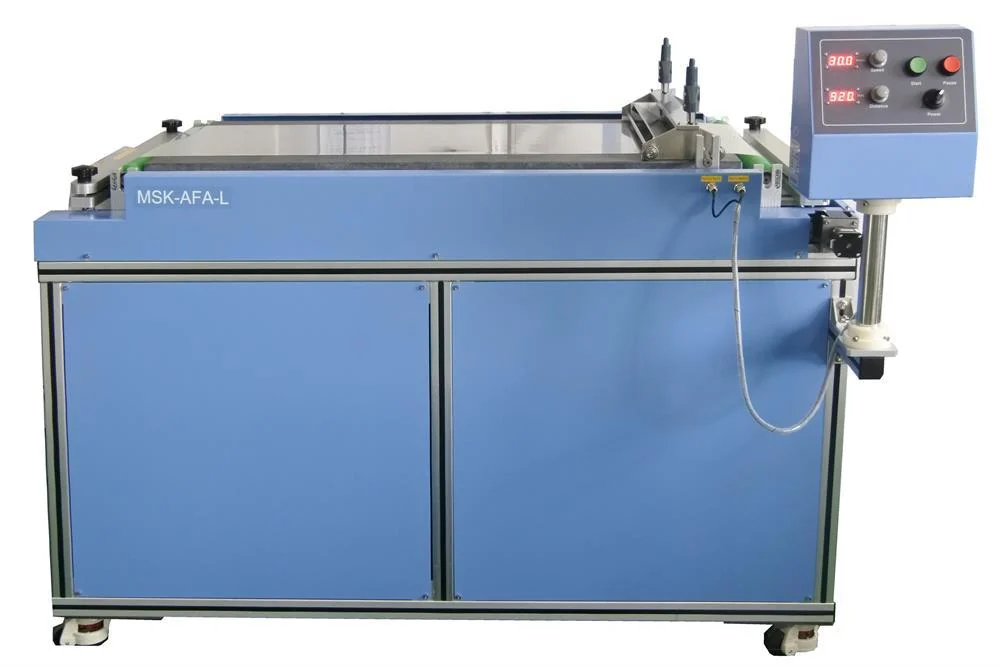
It has a unique driving system to produce a smooth coating on all types of materials
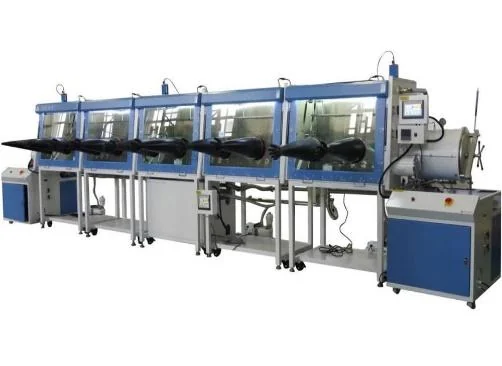
It is integrated with vapor pressure control system, gas purification system, automatic gas regeneration control system, auto alarm, and system data log recording. VGB-6-II is widely used in preparing nanomaterials, Li-ion battery materials, catalysts, and metallorganics.
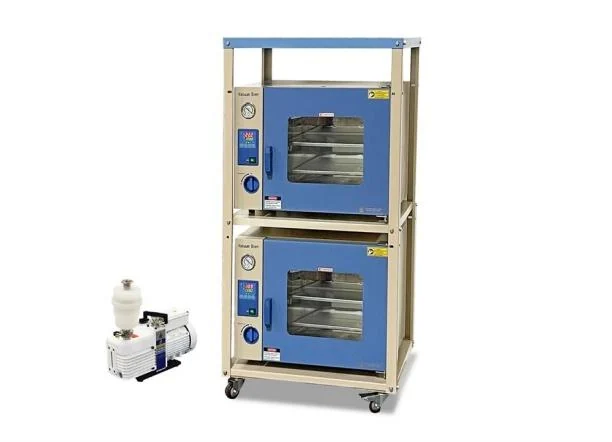
Dual Vacuum oven with a mobile cart. It is perfectly designed for battery cathode and anode materials storage and baking during battery fabrication.
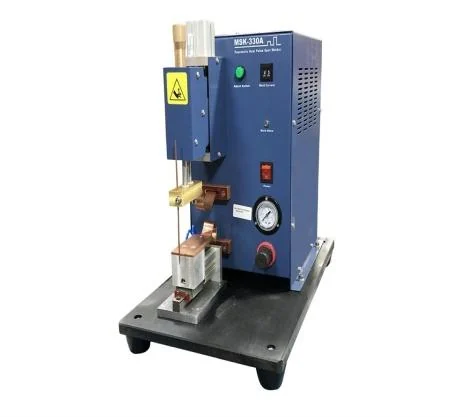
Pneumatic Single Point Welding Machine is specifically designed for professional Li-ion Battery Research. It is mainly used for welding the cylinder core’s negative terminal (Nickel tab) to the bottom of the cylinder case. A Diameter 2mm x 180mm length welding needle is easily inserted into the cylinder case to weld at the bottom.
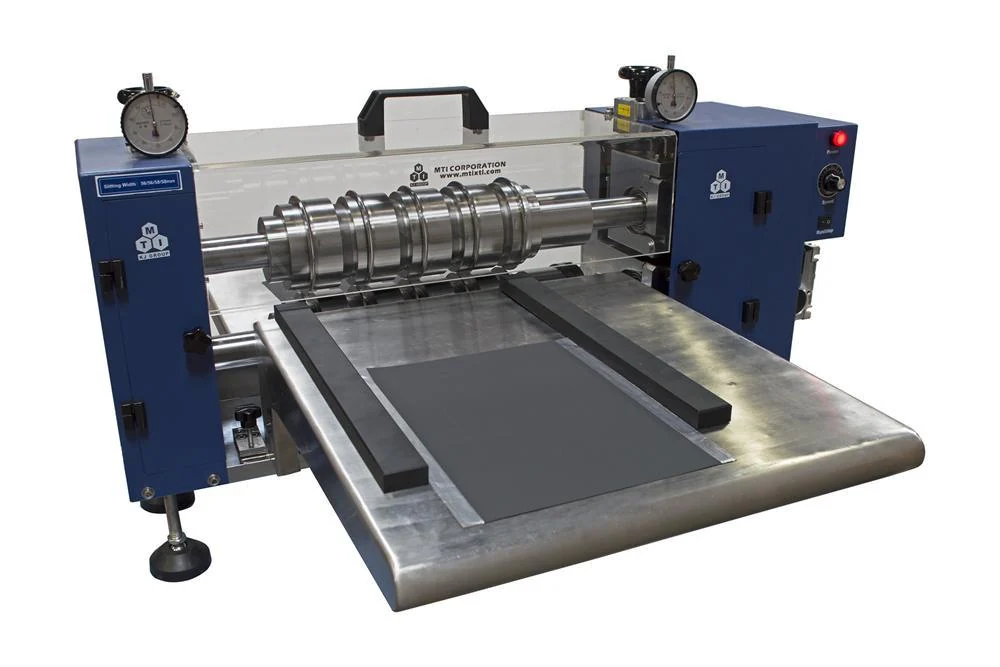
Semi-automatic slitting machine (roll slitting) for preparing electrode of cylinder batteries in R&D laboratories.
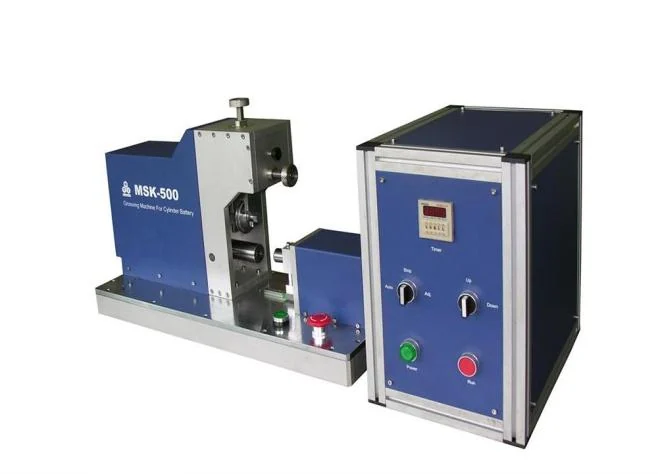
Semi-automatic grooving equipment for cylindrical battery cases. Compatible cell sizes and tooling depend on the selected model.
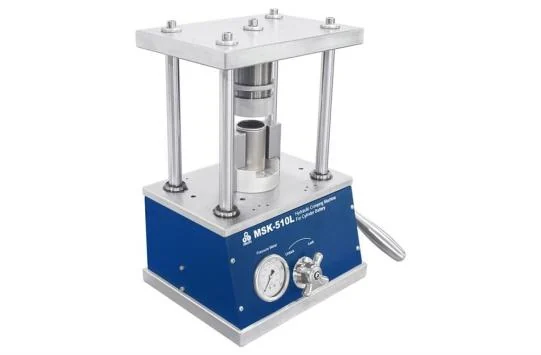
Hydraulic crimpers for sealing a large diameter of the cylindrical cell, such as 4680, 4695, 46100, 46120, and 50100. Two sealing machines are included for three times sealing. The first crimping machine is used for the cap crimping and smooth edges
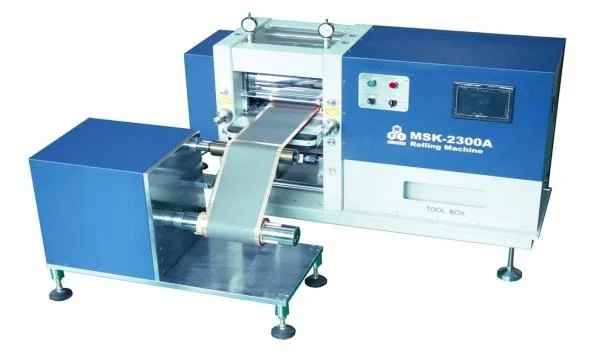
Automatic Battery Electrode Rolling Press System with precision digital pressure control in a compact footprint that is less than 6’x6′. It integrates tension controlled feeding and winding devices together with Pressure Controlled Electric Rolling Machine to achieve attention-free electrode rolling & pressing up to 75 meters long with the 300mm max-width.
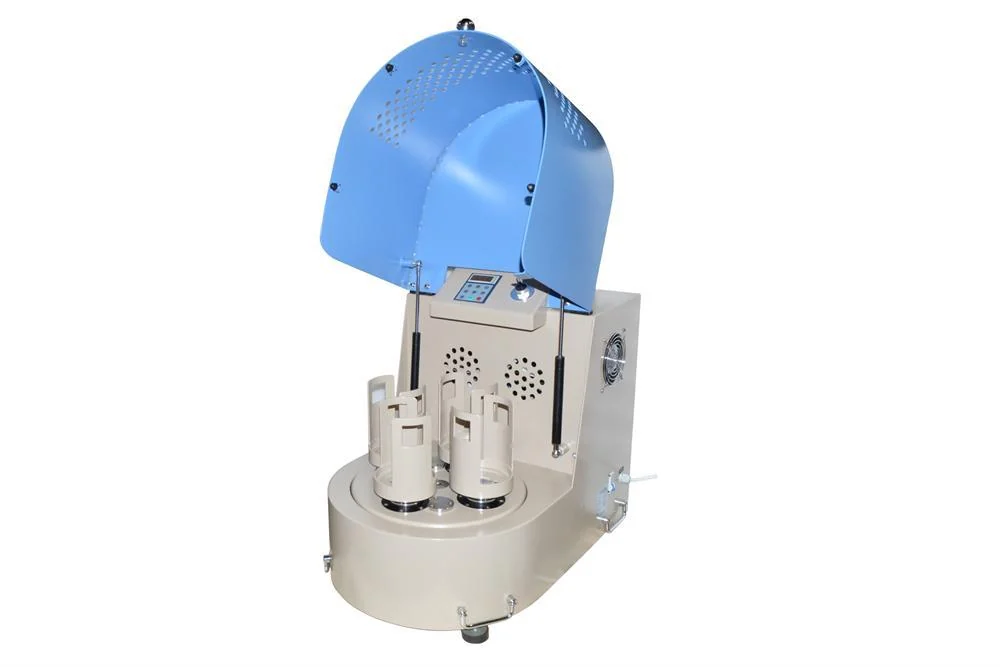
Planetary Ball Mill designed for mixing, fine grinding, and preparing small-volume high-tech material production, which features small volume, high efficiency, low noise, and Lock clamps.
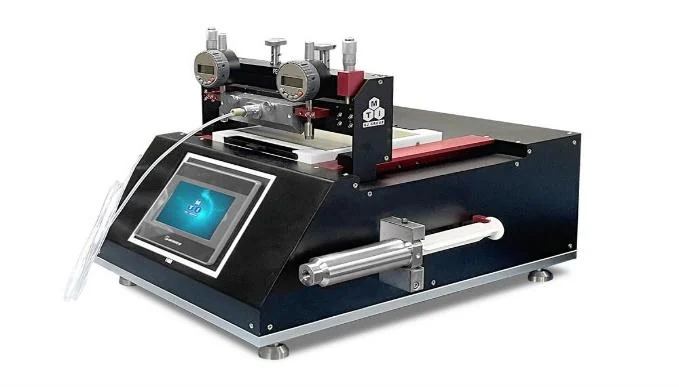
It is an excellent tool to research film coating for OLED, perovskite solar cells, and fuel cell proton exchange membranes.
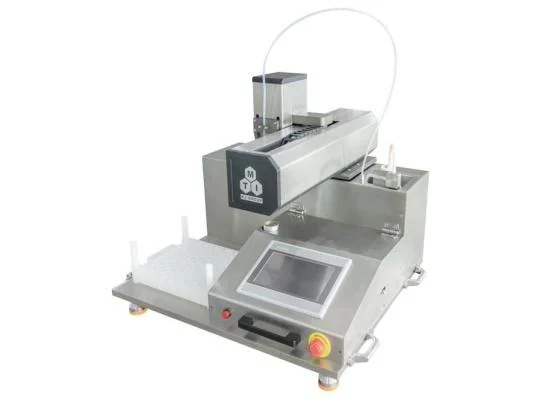
Device for the liquid injection of lithium-ion batteries and supercapacitors.
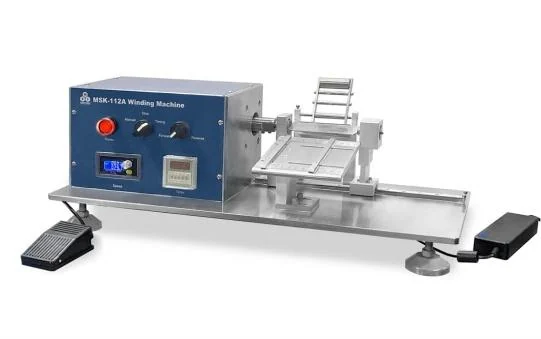
Semi-automatic winder for winding electrodes and separators together in the research of Li-ion pouch batteries.
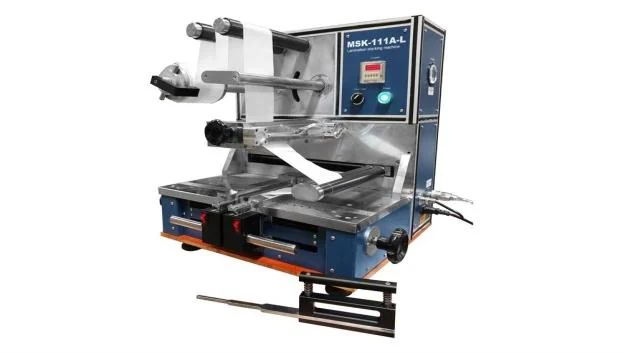
Semi-auto stacking machine with advanced features to ensure a stable, repeatable and precise electrode stacking. In its “Z” fashion stacking method, Anode and Cathode electrodes are alternately stacked with the separator film in between.
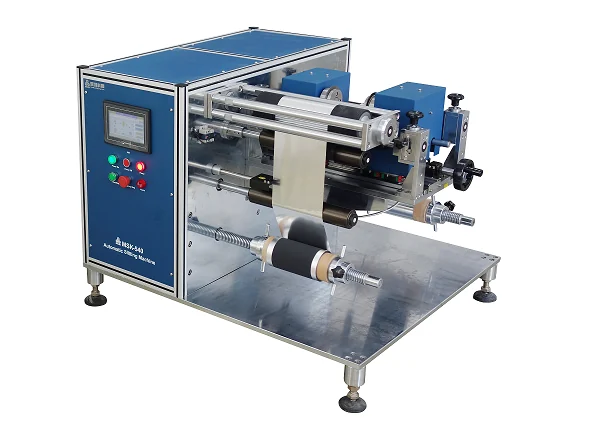
Automatic slitting / trimming machine mainly used for the coated electrode edge cutting in order to prepare the single strip of electrodes of cylindrical or pouch batteries in R&D laboratories.
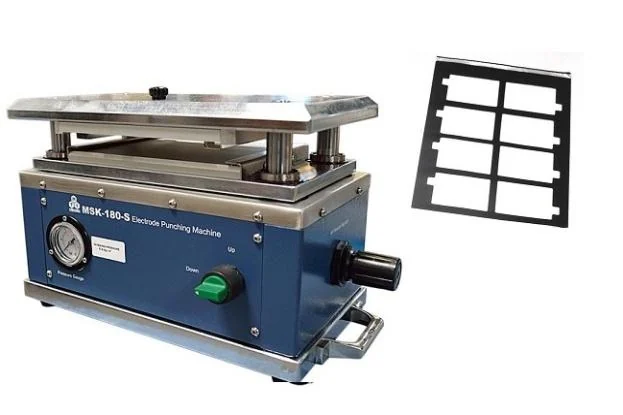
Die cutter for producing pouch battery cathode/anode electrodes ( no electricity required ) Its compact design enables the operation inside a glove box
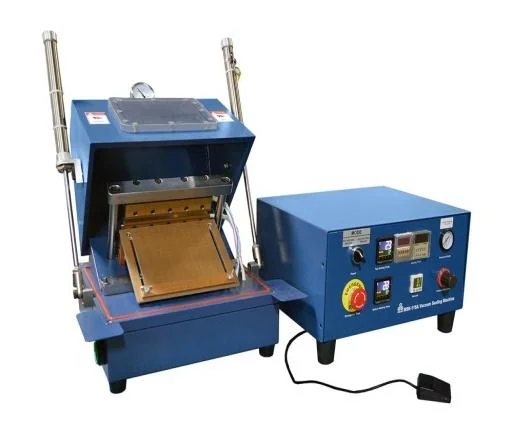
It is designed for Li-S pouch cell preparation in glove-box for space-saving. Preliminary sealing top and side of the pouch cell before electrolyte injection vacuum sealing for the pouch case after injection of electrolyte in the glove box vacuum standing for the electrolyte diffusion and degassing
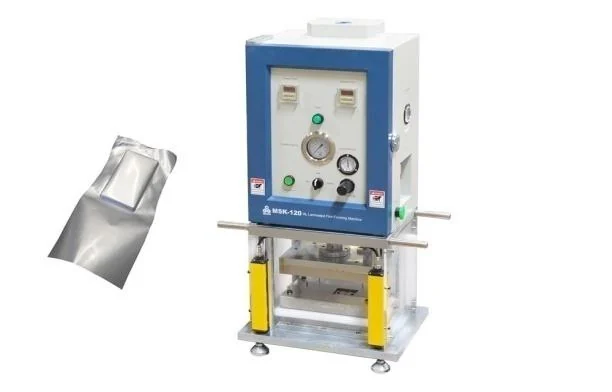
Cup forming machine used in the production line of making pouch cell batteries.
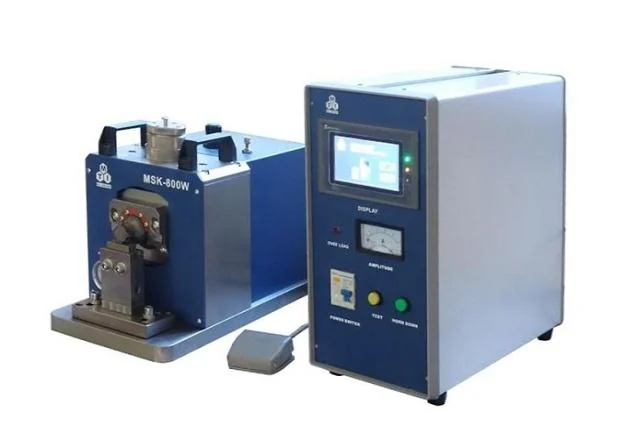
Ultrasonic metal welder with a color touch-screen controller. It is designed for welding stacked electrode sheets (Copper & Aluminum) and tabs onto current collectors to prepare Li-ion pouch cells in R&D laboratories.
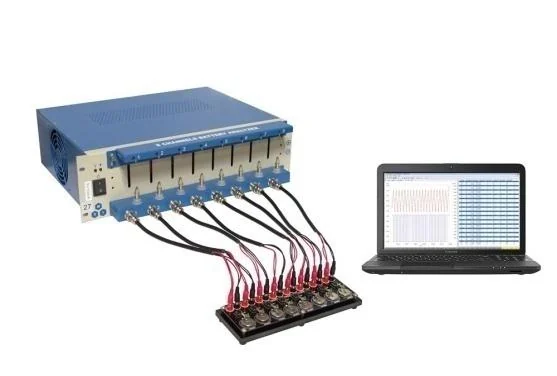
Battery analyzers for charging and discharging tests. Current and voltage ranges depend on the model and configuration.
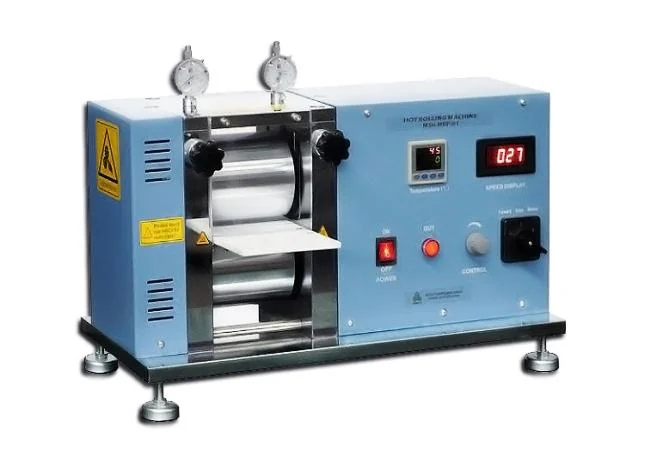
Compact hot rolling cylinder press with a 100°C max working temperature for preparing battery electrodes(glove box compatible). The high torque DC motor is Ar gas compatible.
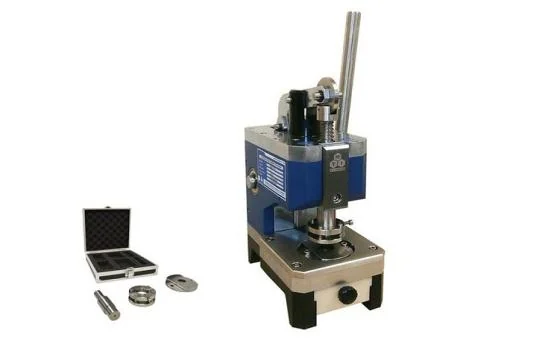
Compact disc cutter with quality sliding rail with ball bearing for precision cutting. It can be easily placed into a glove box with a transition chamber diameter larger than 230mm. This tool is manually operated and is designed for cutting round discs of battery electrodes and separator film (<30um).
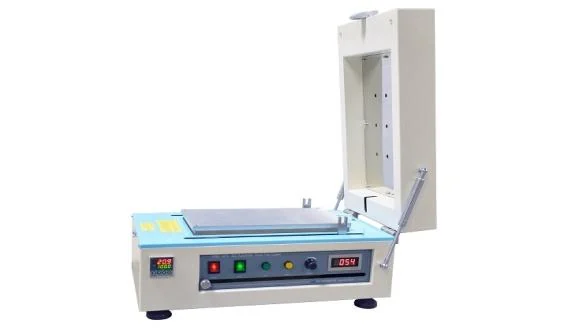
Compact tape-casting coater with various heating designed to produce films with consistent thickness. It has a unique driving system to produce a smooth coating on all types of materials.
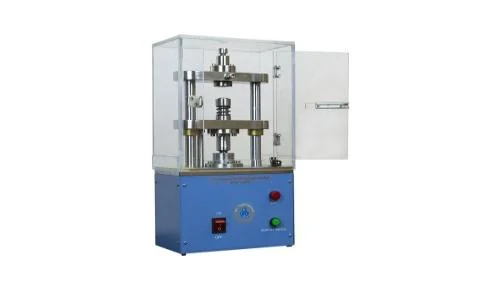
The crimper is suitable for sealing various types of coin cells such as CR2032, CR2025, and CR2016 with an included die. It can also crimp CR2325, CR2450, AG3, AG5, and other special size cases with optional die sets.
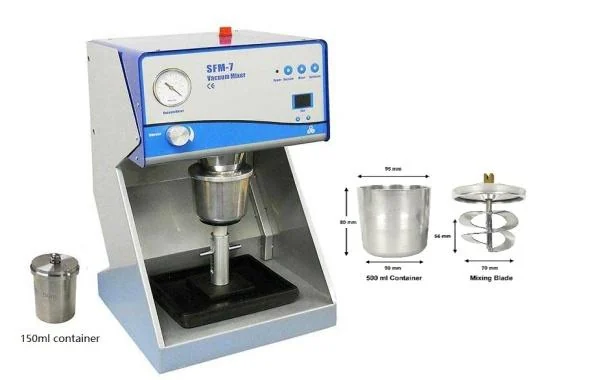
Produce coating slurry by mixing a small batch of chemicals and compounds in two tanks of 150 ml & 500 ml under vacuum. It has a built-in pump that can vacuum the mixing container to -0.08Mpa and a mixing speed of 320rpm.
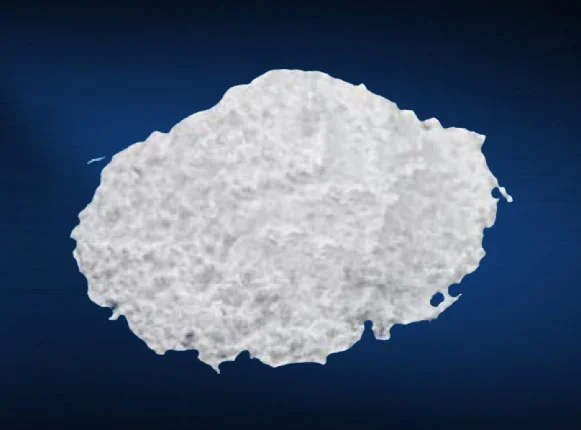
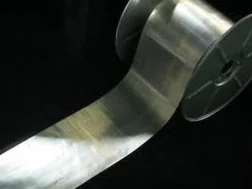
Lithium metal foil for lithium-ion battery research. Contact our team to confirm specifications, handling requirements and availability.
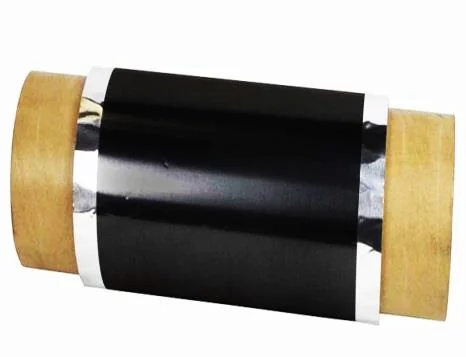
Single-sided carbon-coated aluminium foil used as a current collector for lithium-ion battery cathode research.
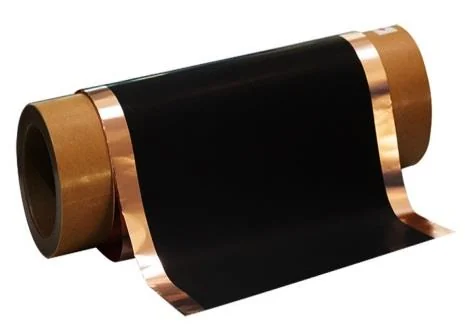
Double-sided carbon-coated copper foil used as a current collector for lithium-ion battery anode research.
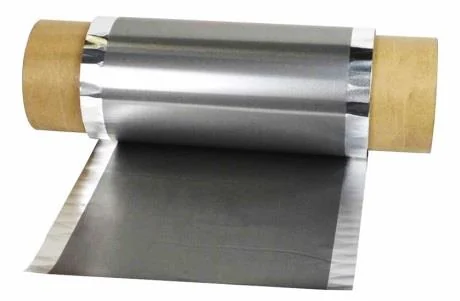
Double-sided carbon-coated aluminium foil used as a current collector for lithium-ion battery cathode research.
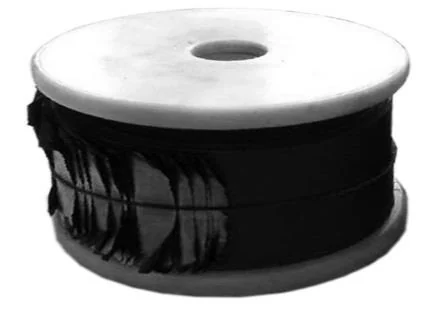
Lithium manganese oxide (LiMn2O4) coated aluminium electrode strips for 18650 lithium-ion battery research.
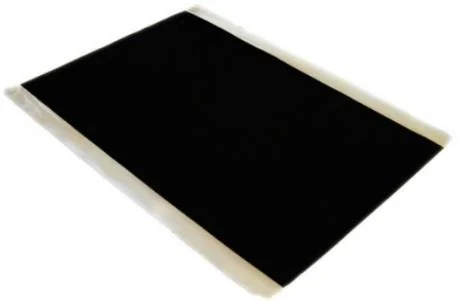
Single-sided lithium manganese oxide (LiMn2O4) coated aluminium foil for lithium-ion cathode research.
Single-sided NCM-coated aluminium foil for lithium-ion battery cathode research. Contact us to confirm composition and specifications.
Single-sided lithium cobalt oxide (LiCoO2) coated aluminium foil for lithium-ion battery cathode research.
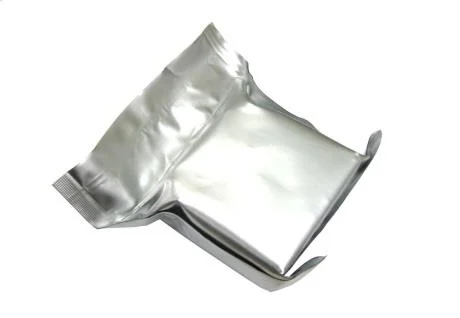
PVDF binder helps hold active materials and conductive additives together in lithium-ion battery electrodes and supports adhesion to the current collector.
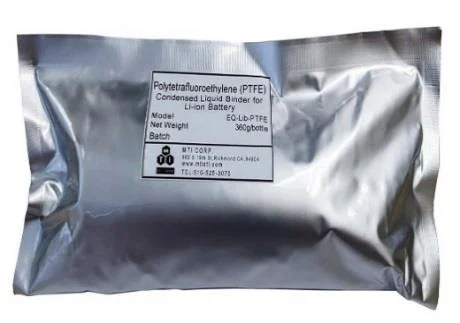
PTFE (Polytetrafluoroethylene) Condensed Liquid Binder For Li-Ion Battery PTFE binds active materials and conductive additives in battery electrodes. It is a key component in the slurry. Highly resistant to chemical degradation from electrolytes and solvents. Provides excellent mechanical integrity and thermal stability. PTFE has good electrochemical stability.
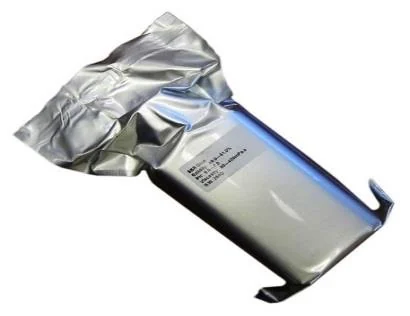
SBR (Styrene-Butadiene Rubber) Binder For Li-Ion Battery Anode SBR is a water-based binder used to prepare anode electrodes for Lithium-Ion batteries. Such binder is characterized by Strong adhesion and high aging-retardant. Compatible with a range of electrode materials and a cost-effective choice.
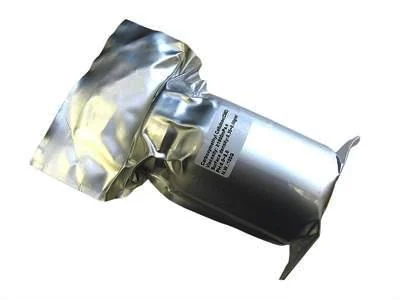
Carboxymethyl cellulose (CMC) is used as a thickener and binder component in water-based lithium-ion battery electrode slurries.
SUPER C45 conductive carbon black is used as an additive in lithium-ion battery cathodes and anodes.
SUPER C65 conductive carbon black is used as a conductive additive in lithium-ion battery electrodes.
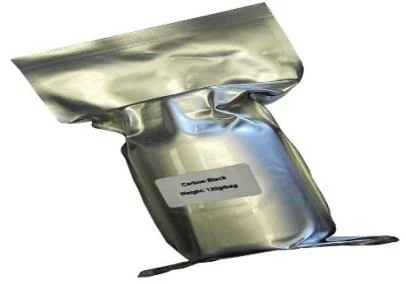
Super P conductive carbon black is used as a conductive additive in battery electrodes.
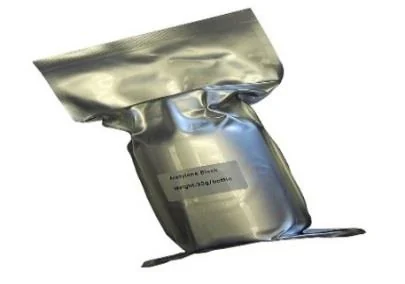
Conductive Acetylene Black For Li-Ion Battery Anode/Cathode It is used for preparing Li-ion battery electrode material and conducting material.
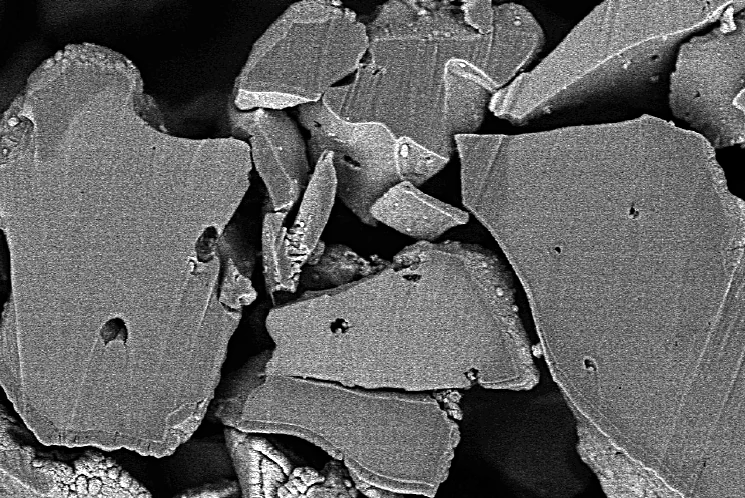
Hard carbon powder for lithium-ion and sodium-ion battery anode research. Contact us for specifications and availability.
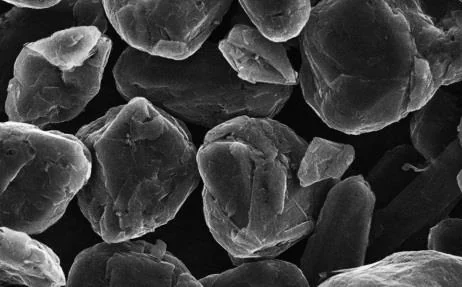
Natural graphite powder for lithium-ion battery electrode research. Contact us to confirm grade and intended application.
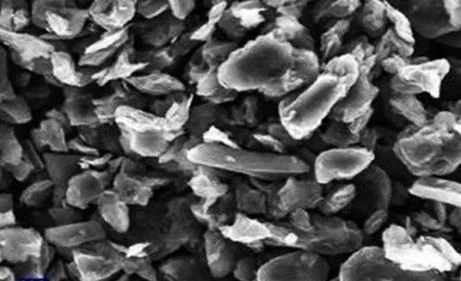
Artificial graphite powder for lithium-ion battery anode research. Contact us to confirm grade and specifications.
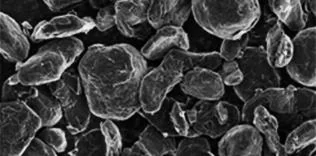
Mesocarbon microbeads (MCMB) graphite powder for lithium-ion battery anode research.
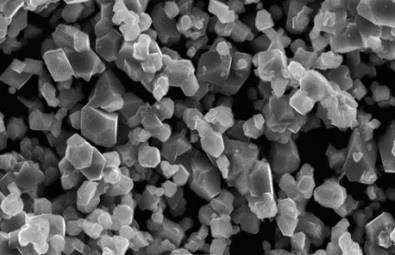
Lithium manganese oxide (LiMn2O4) powder for lithium-ion battery cathode research.
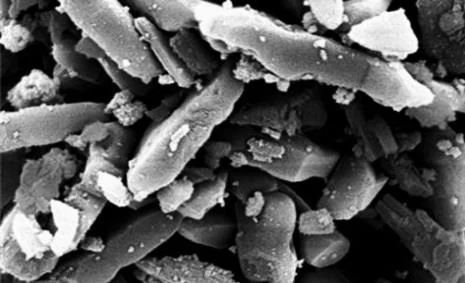
Lithium carbonate (Li2CO3) powder used in the preparation of lithium-ion battery cathode materials.
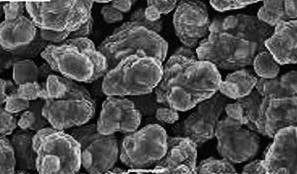
Lithium cobalt oxide (LiCoO2) powder for lithium-ion battery cathode research.
Explore equipment and materials by research area, then discuss your application with Hi-Tech Scientific.